What Is MyFirstEV?
California will take $3,500 off the price of your first new electric car, or $1,750 off a used one. There’s nothing to apply for and no check to wait for. The dealer subtracts it from the price when you sign.
Governor Newsom launched the MyFirstEV instant rebate on August 7, 2026. The state put in $135.5 million and the carmakers match it, so half the discount comes from Sacramento and half from the manufacturer.
The program exists because the federal credits went away. The $7,500 federal credit for new EVs and the $4,000 credit for used ones were phased out by the Trump administration, and California built this to replace part of that.
If you don’t bring it up before you sign, you don’t get it.
Who Qualifies?
You need to meet all of these:
- You live in California.
- This is your first EV. You’ll have to confirm that before you take the car home. Buying and leasing both count.
- You’re buying from a carmaker that’s signed up. Full list below.
- The car is under the price limit. Explained in the next section.
There’s no income limit. You can earn any amount and still qualify.
How Much You Get
Buying new: $3,500 off. The sticker price has to be $50,000 or less. That’s the price on the window, before you negotiate anything — a car listed at $52,000 doesn’t qualify even if you talk the dealer down to $48,000.
Buying used: $1,750 off. The car has to cost $25,000 or less, and you have to buy it from the carmaker’s own used-car program — Hyundai’s, Ford’s, and so on. These are the used cars the manufacturer inspects and resells itself, usually advertised as “certified pre-owned.”
A used EV from a regular used car lot, from a private seller on Craigslist, or from a dealer that isn’t in the program won’t get you the $1,750, no matter how cheap it is.
Lucid and Rivian Skip the Price Limit
Cars built by companies headquartered in California aren’t subject to the $50,000 cap. Right now that means Lucid and Rivian.
A Lucid costing well over $50,000 still gets you the $3,500. A car from an out-of-state brand at $52,000 gets you nothing. Worth checking before you rule out a car on price.
Which Automakers Are Participating
Three carmakers were signed up when the program opened on August 7:
- Hyundai (including Genesis)
- Lucid
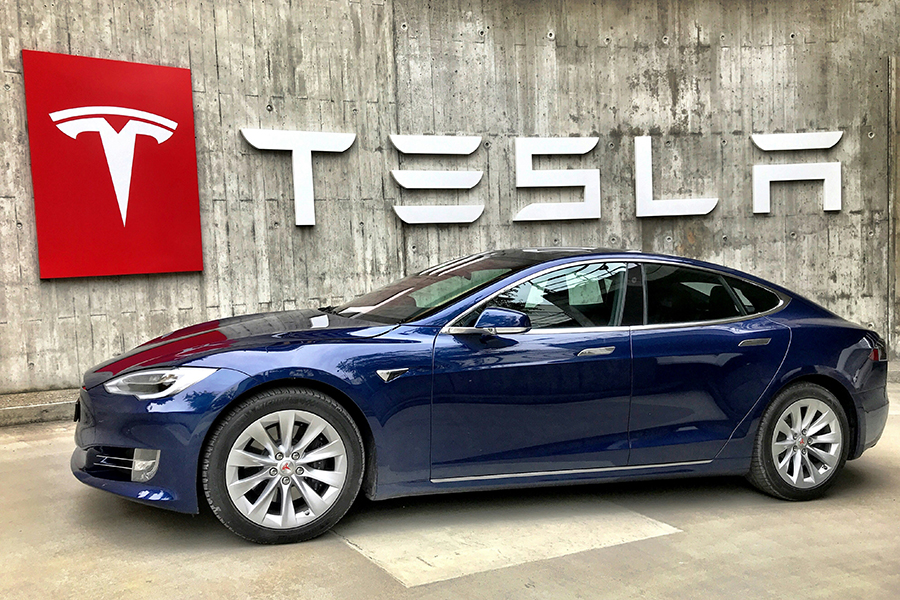
- Tesla
Joining later in August: Ford, Rivian, Chevrolet, and Kia. Nissan and Volvo have not set launch dates. The state has agreements with 13 automakers in total, so the list will keep growing.
If your brand isn’t live yet, read the funding section below before you decide to wait.
Which Cars Count?
Cars that run purely on a battery, and cars that run on hydrogen. New ones have to be a 2026 model or newer.
Hybrids don’t count — not regular hybrids, and not plug-in hybrids either. If it has a gas tank, it doesn’t qualify.
How to Actually Get It
- Say it before the paperwork starts. Tell them you’re a first-time EV buyer and you want the MyFirstEV rebate.
- Ask if that specific dealer is in the program. Being a Hyundai dealer doesn’t automatically mean yes.
- Make sure the $3,500 is written on the contract. If anyone tells you it’ll be “applied later,” something is wrong — this discount comes off at signing.
Will the Money Run Out?
Probably. The $135.5 million pays for about 73,000 cars, and one analyst who tracks California EV incentives expects the whole pot gone in under a year.
There’s no end date. It runs until the money is spent.
That’s the gamble if you’re waiting for your brand to join: they might launch in September with money still left, or they might not.
If You Have a Lower Income, Check This First
California has a separate program called Clean Cars 4 All that pays lower-income residents more than MyFirstEV does.
You only get to be a first-time EV buyer once. If money is tight, check what Clean Cars 4 All would give you before spending that on this program.
Official Information
The California Air Resources Board runs MyFirstEV. The state’s official site for finding participating dealers and comparing cars is electricforall.org.
No one will call, text, or email you about this rebate. There is no application, no processing fee, and no “pre-approval.” Anyone contacting you offering to secure a MyFirstEV rebate is running a scam. Report it at reportfraud.ftc.gov.
Frequently Asked Questions
How much is the California MyFirstEV rebate?
$3,500 off a new electric car priced at $50,000 or less, or $1,750 off a used one priced at $25,000 or less. It comes off the price at the dealership — nobody sends you money afterward.
Do I have to apply for MyFirstEV?
No. There’s no application and no claim form. The dealer applies the discount at the point of sale, so you need to raise it before signing.
Who qualifies for the MyFirstEV rebate?
Any Californian buying or leasing their first electric car from a carmaker in the program. There’s no income limit, but you have to confirm you’ve never owned or leased an EV.
Does leasing count?
Yes. The rebate applies to both purchases and leases.
Which automakers are participating in MyFirstEV?
Hyundai (including Genesis), Lucid, and Tesla launched on August 7, 2026. Ford, Rivian, Chevrolet, and Kia are joining later in August. Nissan and Volvo haven’t announced dates. Thirteen automakers have agreements with the state.
Can I use MyFirstEV on a plug-in hybrid?
No. Only cars that run purely on a battery or on hydrogen. No hybrids of any kind.
When does MyFirstEV end?
There’s no set end date. It runs until the funding is spent, and the pool is expected to last under a year.
Sources
- Office of the Governor — Newsom announces $3,500 instant rebates now available
- Office of the Governor — Newsom secures 13 automakers for first-time ZEV buyer rebates
- Electric For All — find participating dealers
Related Money-Back Guides
- Amazon Prime FTC Settlement: $1.5 billion in refunds over Prime sign-up practices — and why the claim window matters more than the payout. Read more →
- Whole Foods Salsa and Guacamole Recall: 43 products pulled over salmonella, with a full refund available at any store. Read more →
- Bettergoods Pistachio Butter Recall: One lot pulled from Walmart in 19 states, refundable even without the jar. Read more →
About This Page
RecallRefunds.com is a consumer information site. We are not a government agency, an automaker, or a dealer, and we don’t process rebates. This page summarizes a public state incentive program and is general information, not financial or legal advice. Confirm eligibility and current funding status with a participating dealer or the official sources linked above before making a purchase.