What Was Recalled?
City Foods has recalled about 3,215 pounds of ready-to-eat pastrami and corned beef that may be contaminated with Listeria monocytogenes. The meat was produced on July 16, 2026 with a 60-day shelf life, which means it remains in date into mid-September.
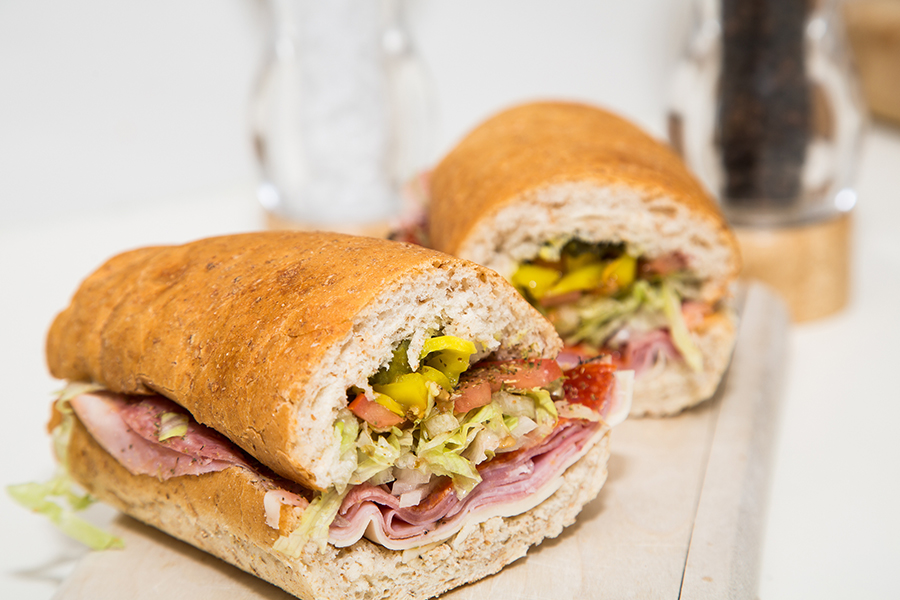
These are 10 to 30 pound food service boxes sold to delis, restaurants, caterers and institutions rather than packages from a supermarket shelf. The case codes that identify them stay on the box in the kitchen, so anyone who ate this meat met it as slices from a deli counter or in a sandwich someone else assembled, with nothing on it to trace back.
City Foods, Inc. is a Chicago meat processor operating under establishment number EST. 1896. The USDA’s Food Safety and Inspection Service announced the recall on August 8, 2026.
Which Products Are Affected?
Three products under three brand names are covered.
| Brand | Product | Case code | Packaging |
|---|---|---|---|
| Midamar | Premium Beef Pastrami | 19410 | 10 lb box, four 2.5 lb pieces |
| Bea’s Best | Cooked Corned Beef Brisket | 18919 | 20–30 lb box, 2–3 pieces |
| Kirsch | Delicatessen Style Cooked Corned Beef Brisket | 19751 | 20–30 lb box, 2–3 pieces |
FSIS revised this notice on August 13, five days after announcing it, to correct the Midamar entry. The original said the box held 2 to 5 pound pieces; the corrected version says four 2.5 pound pieces, and the label image and item number were fixed at the same time. Anyone who checked stock against the notice in that first week was working from the wrong description.
Why Was It Recalled?
The products may be adulterated with Listeria monocytogenes, the bacterium that causes listeriosis. FSIS found the problem during routine inspection activity rather than through an illness report.
Listeriosis mainly threatens older adults, people with weakened immune systems, and pregnant women and their newborns. Healthy people outside those groups can be affected, though less often.
Symptoms FSIS lists include fever, muscle aches, headache, stiff neck, confusion, loss of balance and convulsions, sometimes preceded by diarrhea or other stomach symptoms. In pregnancy, the infection can cause miscarriage, stillbirth, premature delivery, or a life-threatening infection in the newborn.
No confirmed illnesses have been linked to these products. Two things also remain unknown: whether the Listeria was found in the meat or on plant equipment, and whether it has been matched to any human case. That is why the notice says the product “may be adulterated” rather than saying it is.
What Should Consumers Do?
- Don’t eat it. FSIS is concerned this product is sitting in home refrigerators and freezers as well as institutional ones.
- Throw it away or return it to the place of purchase.
- Ask your deli or restaurant whether they used Midamar pastrami, or Bea’s Best or Kirsch corned beef.
- Clean the refrigerator where it was stored, including shelves, drawers and any container it touched.
- See a healthcare provider if you are pregnant, over 65, or immunocompromised and develop flu-like symptoms after eating pastrami or corned beef.
How to Get Your Money Back
FSIS gives two options — discard it or return it to the place of purchase — and only one of those returns your money.
Take it back with the box if you still have it. Shops refund recalled food routinely and recover the cost from their supplier, so the return doesn’t come out of their pocket.
Photograph the box, the case code and the establishment number before you hand it over, in case anyone gets ill and you need to show what you had.
City Foods takes recall questions through Brian Sanchez, Office Manager, on 773-523-1566 or [email protected]. The notice sets no deadline and no separate claim process.
If you ate it in a restaurant or bought it sliced at a counter, there is nothing to return and no way to show whose meat was in it. Raise that with the deli or restaurant rather than with City Foods.
Where Was It Sold?
The meat went first to food service locations in Illinois, Iowa and Michigan, then nationwide. FSIS names no individual restaurants, delis or institutions, though it publishes retail distribution lists on its recalls page when it has them.
How to Identify the Recalled Product
If you have a box, three things confirm it: the brand name, the case code printed on the box label, and EST. 1896 inside the USDA mark of inspection.
If you have sliced meat in a deli bag, none of that is available to you. The July 16 production date is the only fixed boundary: meat made before then isn’t part of this recall, and the 60-day shelf life means affected product stays in date into mid-September. There is no public record of how fast it moved from the plant to individual counters.
Restaurants, delis and institutional kitchens should check walk-in refrigerators and freezers rather than only current stock, since partial cases from a 20 to 30 pound box can sit for weeks.
What If I Got Sick?
Symptoms can begin days to weeks after eating contaminated food, so the most recent meal is not the only candidate.
Tell a healthcare provider you may have eaten recalled ready-to-eat meat. That detail determines whether they test for Listeria, and a blood or spinal fluid culture is what confirms it.
In pregnancy the infection can be serious for the fetus while causing little more than aches in the mother, which is why mild symptoms still warrant the call.
Keep the packaging, any receipt, and a note of where you bought or ate it. Report the illness to your state or local health department, which is how cases enter national surveillance and get matched to a source.
How to Report an Incident
Report a problem with a meat, poultry or egg product through the FSIS Electronic Consumer Complaint Monitoring System, available around the clock.
Food safety questions go to the USDA Meat and Poultry Hotline on 888-674-6854, or by email at [email protected].
Official Recall Information
This is a company recall conducted with FSIS oversight, announced on August 8, 2026 and revised on August 13. FSIS checks that the firm has notified its customers and that product is leaving shelves, and recalls of this kind get expanded when investigators find additional production dates or products, so the scope here may not be final.
Frequently Asked Questions
Which brands are affected by the City Foods recall?
Midamar Premium Beef Pastrami with case code 19410, Bea’s Best Cooked Corned Beef Brisket with case code 18919, and Kirsch Delicatessen Style Cooked Corned Beef Brisket with case code 19751. All carry establishment number EST. 1896.
I ate a pastrami sandwich last week. Should I be worried?
No illnesses have been reported from these products, and most healthy adults who encounter Listeria don’t become seriously ill. Contact a healthcare provider if you are pregnant, older, or immunocompromised, or if you develop fever, muscle aches or a stiff neck.
Does cooking the meat make it safe?
Heating to steaming hot kills Listeria, so reheating thoroughly reduces the risk. FSIS still instructs people to discard or return the product rather than cook it, partly because ready-to-eat meat is usually eaten cold and partly because anything it touched in the refrigerator may already be contaminated.
Why does Listeria matter more than other bacteria in the fridge?
It grows at refrigeration temperatures, where most foodborne bacteria stall. A contaminated package can therefore become more contaminated over weeks in a cold refrigerator rather than staying static.
Can my deli tell me whether they used the recalled meat?
They should be able to. Suppliers notify food service customers directly during a recall, so a deli usually knows before its customers do.
I froze it. Does that make it safe?
No. Freezing halts Listeria from multiplying but doesn’t kill it, so the bacteria are still there when the meat thaws. A recalled product that has been in the freezer since July is in the same position as one that stayed in the refrigerator.
About This Page
RecallRefunds.com is a consumer information site. We are not a recall administrator, a government agency, a law firm, or a manufacturer, and we are not affiliated with City Foods, Inc., Midamar, Bea’s Best, Kirsch, or any retailer or restaurant. This page summarizes a public food recall and is general information rather than legal or medical advice. Questions about symptoms belong with a healthcare provider.