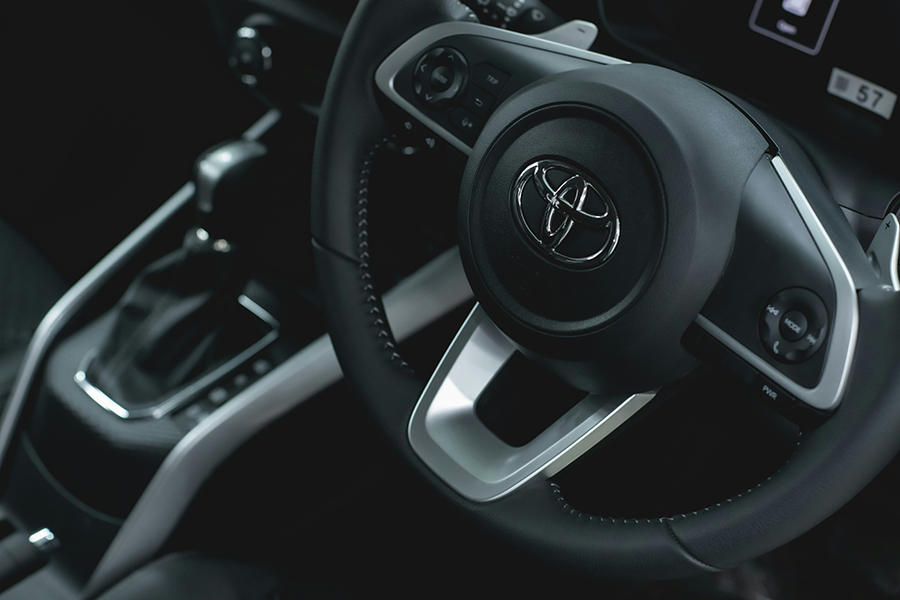
Current and former owners or lessees of certain Toyota vehicles may qualify for reimbursement, a possible cash payment of up to $250, and other benefits from a $78.5 million airbag control unit settlement.
The settlement is final. Claims remain open through December 11, 2028, and approved payments and claim-deficiency notices are being sent on a rolling basis.
The lawsuit alleges certain ZF-TRW airbag control units installed in Toyota vehicles could be vulnerable to electrical overstress, potentially preventing airbags or seat belt pretensioners from working properly during a crash. Toyota denies the allegations.
Who Can File a Claim?
You may be included if, as of July 31, 2023, you owned, leased, or had previously owned or leased one of the covered vehicles in the United States, District of Columbia, Puerto Rico, or another U.S. territory or possession.
Covered vehicles include:
| Toyota Model | Model Years |
|---|---|
| Corolla | 2011–2019 |
| Corolla Matrix | 2011–2013 |
| Avalon | 2012–2018 |
| Avalon Hybrid | 2013–2018 |
| Tacoma | 2012–2019 |
| Tundra | 2012–2017 |
| Sequoia | 2012–2017 |
Because eligibility depends on the specific vehicle, use the official VIN lookup tool to confirm coverage.
What Can You Get From the Settlement?
Benefits depend on the vehicle and whether it was included in Toyota’s airbag recall.
Reimbursement for Recall-Related Expenses
Owners and lessees of recalled vehicles can seek reimbursement for certain reasonable costs tied to completing the recall, including:
- Rental car or other transportation costs
- Towing charges to a Toyota dealer
- Childcare expenses while recall work was being completed
- Unreimbursed costs to repair the ZF-TRW airbag control unit
- Lost wages associated with dropping off or picking up the vehicle for recall work
The settlement administrator determines which submitted expenses qualify.
Possible Residual Payment of Up to $250
All settlement class members can register for a residual distribution, including people whose covered vehicle was not part of the recall.
If money remains after approved reimbursements and other settlement costs are paid, qualifying claimants will share the balance. Residual payments are capped at $250 per class member unless a higher amount is later approved.
12-Year Extended Parts Warranty
Vehicles that complete the applicable recall receive an extended warranty on the new recall-installed parts.
The warranty began July 31, 2023 and lasts 12 years. It covers qualifying parts and labor and follows the vehicle if ownership changes.
Vehicle Inspection Program
Toyota also established an inspection program for covered vehicles involved in frontal crashes when Toyota was notified that an airbag or seat belt pretensioner did not deploy.
Not Every Covered Toyota Was Recalled
Toyota’s 2020 ZF-TRW airbag control unit recall covered:
- 2011–2019 Corolla
- 2011–2013 Corolla Matrix
- 2012–2018 Avalon
- 2013–2018 Avalon Hybrid
The Tacoma, Tundra, and Sequoia models included in the settlement were not part of that recall.
Owners or lessees of those unrecalled vehicles can register for the residual distribution but cannot currently claim recall-related expenses. Additional benefits could become available if Toyota later issues a qualifying ZF-TRW ACU recall before the claims period ends.
What Proof Do You Need?
You need the vehicle’s 17-character VIN to check eligibility and begin the claim process.
For out-of-pocket reimbursement, submit evidence of the expense, such as a receipt or invoice. If those records are unavailable, the official settlement FAQ says a signed affidavit may be accepted instead.
A Class Member ID is not required.
How to File a Toyota Airbag Settlement Claim
Claims can be started through the official settlement claim page.
Paper claims and supporting documents can also be mailed to:
Toyota Airbag Control Unit Settlement
c/o Kroll Settlement Administration LLC
P.O. Box 225391
New York, NY 10150-5391
The claim deadline is December 11, 2028.
Are Toyota Settlement Payments Already Being Sent?
Yes. The official settlement website states that approved payments and claim-deficiency notices are being sent on a rolling basis.
Reimbursement timing varies because claims must be reviewed individually. The residual distribution cannot be calculated until eligible reimbursements and other settlement costs have been addressed.
Why Was Toyota Sued?
The lawsuit alleges Toyota sold vehicles containing ZF-TRW airbag control units that were vulnerable to electrical overstress.
An airbag control unit receives crash-sensor signals and controls safety features such as airbags and seat belt pretensioners. Plaintiffs allege the electrical issue could interfere with those systems during a collision.
Toyota denies wrongdoing and liability.
How Does This Relate to the Toyota Airbag Recall?
In January 2020, Toyota announced a safety recall involving certain Corolla, Matrix, Avalon, and Avalon Hybrid vehicles. Toyota said the affected electronic control units might not have adequate protection against certain electrical noise that can occur in a crash.
The free recall remedy generally involves installing a noise filter between the airbag control module and its wire harness.
The settlement does not release claims for personal injury, wrongful death, or most physical property damage involving a covered vehicle. If a recalled product caused an injury or damaged property, see our guide on what to do after a product causes injury or property damage.
About This Page
RecallRefunds.com is a consumer information site. We are not the settlement administrator, a law firm, the court, Toyota, ZF-TRW, or any other party involved in this case, and we cannot file or process a claim on your behalf. This article summarizes publicly available settlement and recall information and is general information rather than legal advice. Settlement terms, claim requirements, deadlines, and benefit availability can change; the official settlement website and court documents are the authoritative sources.